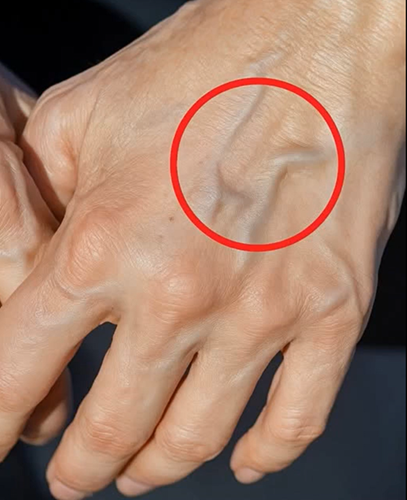
Many people notice bulging or visible veins on their arms or legs. Most of the time, these are harmless and linked to temporary or natural changes in the body. Exercise, hot weather, and aging can all make veins more visible. Genetics, skin tone, tight clothing, body weight, or even low body fat may also play a role.
However, if veins are enlarged, painful, discolored, or accompanied by swelling, they may signal a medical issue such as varicose veins or chronic venous insufficiency. These conditions happen when vein valves weaken, causing blood to pool and veins to twist or enlarge—especially in the legs.
Risk factors include:
-
Family history
-
Prolonged sitting or standing
-
Obesity
-
Smoking
-
Hormonal shifts (pregnancy, menopause)
-
Lack of activity
When to seek medical help:
-
Ongoing or severe leg pain
-
Heavy, aching sensations
-
Skin discoloration near veins
-
Open sores near the ankles
-
Hard, warm veins (possible blood clot)
Treatment options range from lifestyle changes to medical procedures:
-
Compression stockings, exercise, weight control, elevating legs, avoiding long periods of standing
-
In advanced cases: sclerotherapy (injections), laser treatment, ablation (heat therapy), or vein surgery
If left untreated, advanced venous disease can cause ulcers, infections, or even deep vein thrombosis (DVT)—a serious, sometimes life-threatening condition.
Prevention tips:
-
Maintain a healthy weight
-
Stay active daily
-
Wear loose-fitting clothes
-
Avoid smoking
-
Keep hydrated and manage blood pressure
👉 Bottom line: Visible veins are often harmless, but they can sometimes be an early warning sign. Paying attention to changes and seeking medical advice when needed is key to protecting your vascular health.